
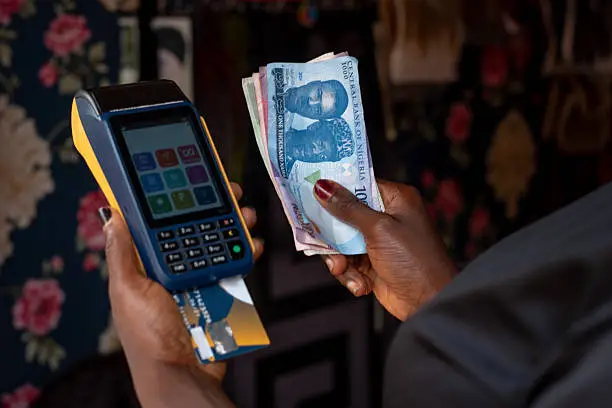
Losing money through bank fraud can be devastating, particularly when a substantial amount is involved. You may discover that money has been transferred from your account without your authorisation, sent to an unknown account, withdrawn through an ATM, or used for an online transaction you did not make. The immediate question is usually: Can the money be recovered? In many cases, there are steps you can take to pursue recovery. However, recovery is not automatic, and the appropriate approach depends on how the fraud occurred, how quickly it was reported, whether the recipient can be identified and the evidence available. The most important rule is simple: Act immediately. The Central Bank of Nigeria advises customers who suspect fraud or a compromise to contact their financial institution immediately and report the matter to the appropriate authorities. What Is Bank Fraud? Bank fraud generally involves the use of deception, unauthorised access or other fraudulent means to obtain money or financial benefits through a bank or other financial institution. Examples include: Unauthorised transfers from a bank account. Fraudulent ATM withdrawals. Unauthorised card transactions. Mobile banking fraud. Internet banking fraud. Phishing scams. Social engineering scams. SIM-related compromise. Fraudulent direct debits. Fraudulent use of banking credentials. Deception that causes a customer to transfer money to a fraudster. The legal and recovery options differ depending on the particular circumstances. Can Money Lost Through Bank Fraud Be Recovered? Yes, money lost through bank fraud can be recovered in appropriate circumstances. Recovery can occur through several routes, depending on the facts. These include: Immediate intervention by the bank. Internal bank complaints and investigation. Regulatory intervention through the CBN. Criminal investigation by appropriate law-enforcement agencies. Recovery from the recipient of the funds. Civil proceedings. Appropriate court orders to preserve or recover funds. However, there is no guarantee that every fraudulent transaction will be reversed. The speed with which the victim acts can be particularly important. What Should You Do Immediately After Discovering the Fraud? 1. Contact Your Bank Immediately Do not wait until the next business day if you discover the fraud outside normal banking hours. Use the bank’s official emergency or fraud-reporting channels and inform the bank that the transaction is disputed. Ask the bank to: Restrict further transactions where necessary. Secure the account. Investigate the transaction. Attempt to recall or recover the funds where possible. Place appropriate restrictions on the recipient account where the applicable process permits. Give you a complaint or tracking reference. The CBN specifically advises customers who suspect fraud to contact their financial institution immediately. 2. Change Your Banking Credentials If your account or banking credentials have been compromised, change your relevant passwords and security credentials immediately. You should also secure the device used for mobile or internet banking. Do not continue using compromised credentials simply because the fraudulent transaction has already occurred. 3. Preserve the Evidence Do not delete transaction alerts, SMS messages, emails or screenshots. Preserve: Bank statements. Transaction alerts. Transaction reference numbers. Screenshots. Emails. SMS messages. WhatsApp or other communications with the fraudster. Recipient account details. The bank’s correspondence. Your complaint reference. Any police or EFCC report. Evidence of the amount lost. This evidence can become important if the matter proceeds to regulatory investigation or litigation. Can the Bank Reverse the Transaction? It can, depending on the circumstances and the stage at which the transaction is reported. The bank can investigate the transaction and take appropriate steps within the banking system where recovery or reversal is possible. This is why immediate reporting is important. However, you should not assume that contacting the bank automatically guarantees a refund. The bank will investigate matters such as how the transaction was initiated, whether it was authenticated, whether the customer’s credentials were compromised and whether the transaction can be traced. What If the Money Has Already Been Transferred to Another Account? This does not necessarily mean that recovery is impossible. The recipient account details can provide an important starting point for tracing the funds. Depending on the circumstances, the relevant financial institutions and authorities can investigate the transaction trail. If the funds remain identifiable or traceable, appropriate recovery measures can be considered. Where the recipient has transferred the money to another account, the investigation may become more complicated, but that does not necessarily end the possibility of recovery. Can the Recipient’s Bank Freeze the Money? The recipient’s bank can take appropriate action within its regulatory and operational framework when notified of a suspected fraudulent transaction. However, a victim should not assume that merely reporting the matter guarantees that the recipient’s account will be frozen. The bank may need appropriate documentation, internal verification, instructions from competent authorities or other lawful grounds before taking particular action. This is one reason why prompt reporting is important. What If the Fraudster Has Already Withdrawn the Money? Recovery can become more difficult once the money has been withdrawn. However, withdrawal does not necessarily make recovery impossible. The investigation can consider: Who withdrew the money. Where the withdrawal occurred. The account into which the money was initially transferred. Whether CCTV or other records exist. Whether the funds were transferred elsewhere. Whether the recipient can be identified. Whether the recipient has identifiable assets. The available evidence will determine the appropriate recovery strategy. Should You Report Bank Fraud to the Police? Yes, where the circumstances disclose suspected criminal conduct, you should make an appropriate report to law enforcement. The CBN advises victims of fraud to report suspected fraud and scams to relevant authorities, including the Nigerian Police Force and the EFCC. A report can assist with investigation and identification of the persons involved. However, a criminal complaint and civil recovery are not the same thing. Reporting the fraud does not automatically put the money back into your account. Where recovery is required, additional legal steps may be necessary. Can the EFCC Help Recover Money Lost Through Fraud? The EFCC is one of the agencies that can investigate economic and financial crimes within its statutory mandate. Where the circumstances fall within the agency’s

What to Do If Money Is Stolen From Your Bank Account in Nigeria
Imagine checking your bank account and discovering that ₦500,000, ₦1 million or even your entire savings has been transferred to an account you do not recognise. For many Nigerians, the first reaction is panic. The next question is usually: “How do I get my money back?” If money has been removed from your bank account without your authorisation, you should act immediately. The steps you take in the first few hours can be important in protecting your account, creating evidence and pursuing recovery. This article explains what to do if money is stolen from your bank account in Nigeria, including the steps to take against the bank, the importance of reporting the transaction and the legal remedies available when the money is not recovered. What Counts as an Unauthorised Bank Transaction? An unauthorised transaction is a transaction carried out on your bank account without your approval or authority. It can occur through different methods, including: Unauthorised bank transfers. ATM withdrawals you did not make. Unauthorised debit-card transactions. Mobile banking fraud. Internet banking fraud. SIM-related fraud. Phishing scams. Compromised banking credentials. Fraudulent transfers carried out after your phone or account has been compromised. The circumstances surrounding the transaction are important because they determine the appropriate response and the evidence required. What Should You Do Immediately? If you discover an unauthorised transaction, do not wait to see whether the money will somehow return. Take immediate action. 1. Contact Your Bank Immediately Notify your bank as soon as you discover the transaction. Use the bank’s official customer-service channels and clearly state that the transaction was unauthorised. Ask the bank to: Block or restrict further unauthorised transactions. Secure the affected account. Flag the disputed transaction. Investigate the transaction. Take appropriate steps to trace or place restrictions on the recipient account where possible. Obtain a complaint or reference number and keep it. 2. Change Your Banking Credentials If you suspect that your PIN, password, token, card details or mobile-banking credentials have been compromised, change them immediately. Where necessary, request that your card, online banking profile or other compromised access credentials be blocked or replaced. Do not continue using credentials that you believe have been compromised. 3. Preserve Evidence Do not delete messages or other information connected with the transaction. Keep: Bank transaction alerts. Account statements. SMS messages. Emails. Screenshots. WhatsApp conversations. Phone numbers used by the fraudster. Account numbers to which the money was transferred. Transaction references. Dates and times of the transactions. Any links or messages sent by the fraudster. This evidence can become important during the bank’s investigation or subsequent legal proceedings. Should You Report the Fraud to the Police? Yes, where the transaction involves suspected fraud, you should make an appropriate report to the relevant law-enforcement authority. Depending on the circumstances, this can include reporting to the Nigeria Police Force and its relevant cybercrime units or other appropriate agencies. The report creates an official record of the complaint and can assist in the investigation and tracing of the funds. A police report does not, by itself, guarantee recovery of the money. Recovery requires appropriate action based on the circumstances of the transaction. Can the Bank Reverse the Transaction? The answer depends on the circumstances surrounding the transaction. Where a customer genuinely did not authorise a transaction, the bank has obligations under the applicable regulatory and legal framework concerning unauthorised electronic transactions and fraud. However, banks will investigate the circumstances before determining liability. The bank will consider issues such as: How the transaction was initiated. Whether the customer’s credentials were used. Whether the transaction was authenticated. Whether the customer disclosed their PIN, password or OTP. Whether there was negligence or compromise of the customer’s credentials. The bank’s own security systems and procedures. The circumstances in which the transaction occurred. A customer should therefore make a formal complaint and provide the relevant evidence rather than simply assuming that the bank will automatically reverse every disputed transaction. What If You Received an OTP but Did Not Authorise the Transaction? Receiving an OTP does not automatically establish that you authorised a transaction. The circumstances surrounding the OTP and how the transaction was initiated must be investigated. For example, fraudsters may obtain access to a customer’s device, SIM card or other credentials through social engineering, phishing or other fraudulent methods. The bank should therefore investigate the complete circumstances rather than treating the existence of an OTP as the end of the matter. What If You Were Tricked Into Giving the Fraudster Your OTP? This can make the situation more complicated. If a customer voluntarily discloses an OTP or other security credential to a fraudster, the bank will consider that fact when determining liability. However, the customer’s disclosure does not necessarily answer every legal question surrounding the transaction. The circumstances in which the information was obtained, the bank’s security measures and the nature of the fraud must all be considered. You should therefore report the transaction immediately even if you inadvertently disclosed information to the fraudster. What If the Money Was Transferred to Another Nigerian Bank? This is one of the most important situations in which speed matters. If the money was transferred to an account in another Nigerian bank, notify your bank immediately and provide the recipient’s account details and transaction reference. The banks involved can take appropriate steps within the applicable banking and regulatory framework to investigate the transaction and, where possible, restrict further movement of the funds. The longer the fraudster has access to the money, the greater the risk that the funds will be transferred through additional accounts or withdrawn. What If the Fraudster Has Already Withdrawn the Money? Recovery becomes more difficult once the funds have been withdrawn or transferred elsewhere, but that does not mean that you should abandon the matter. You should: Report the transaction to your bank. Make a formal complaint. Report the matter to the appropriate law-enforcement authority. Preserve all evidence. Identify the recipient account and transaction trail. Obtain legal advice where necessary. Consider appropriate legal proceedings for