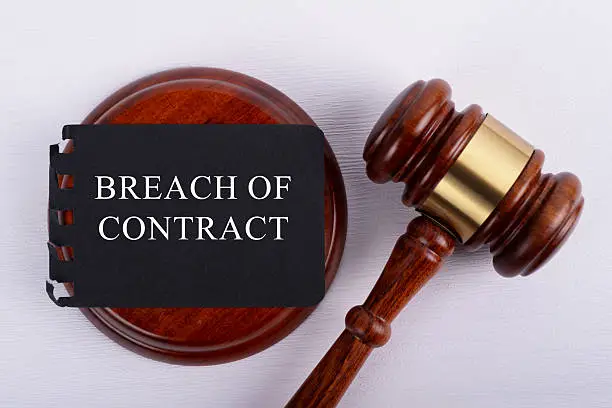
Contracts are an essential part of everyday personal and business transactions. They establish the obligations of the parties and provide certainty about what each party is expected to do. However, a contract does not always go according to plan. One party may fail to pay, refuse to deliver goods or services, perform an obligation late, or otherwise fail to comply with the terms of the agreement. When this happens, the affected party may have a legal claim for breach of contract in Nigeria. Understanding what constitutes a breach of contract, the different types of breach, and the remedies available can help individuals and businesses protect their interests when contractual obligations are not fulfilled. What Is a Breach of Contract? A breach of contract occurs when a party fails to perform an obligation required under a legally enforceable contract without lawful justification. A breach may occur where a party: Fails to perform an agreed obligation. Performs an obligation inadequately. Performs an obligation late. Refuses to perform the contract. Does something expressly prohibited by the agreement. Whether a particular act amounts to a breach depends on the terms of the contract and the circumstances of the case. Common Examples of Breach of Contract Breach of contract can occur in many situations. Examples include: A buyer fails to pay for goods supplied. A contractor fails to complete agreed work. A supplier fails to deliver goods as agreed. A tenant breaches an obligation contained in a tenancy agreement. A service provider fails to provide the agreed services. A business refuses to honour an agreed commercial arrangement. A party fails to meet an agreed deadline where time is contractually important. The consequences will depend on the nature and seriousness of the breach. Types of Breach of Contract 1. Actual Breach An actual breach occurs when a party fails to perform an obligation when performance is due. For example, if a supplier is required to deliver goods on a specified date but fails to do so, the failure may constitute an actual breach. 2. Anticipatory Breach An anticipatory breach occurs where, before the time for performance arrives, one party clearly indicates that they will not perform their contractual obligations. For example, if a contractor informs the client before the agreed completion date that the contractor will not carry out the work at all, the circumstances may give rise to an anticipatory breach. The appropriate response depends on the terms of the contract and the applicable law. How Do You Know If a Contract Has Been Breached? The first step is to examine the contract itself. Look at: The obligations of each party. Performance deadlines. Payment provisions. Termination provisions. Conditions precedent. Notice requirements. Dispute resolution provisions. Clauses dealing with default or breach. It is important not to assume that every failure to perform automatically gives rise to the same legal remedies. What Should You Do When a Contract Is Breached? Step 1: Review the Contract Read the agreement carefully and identify the obligation that has allegedly been breached. Pay particular attention to clauses dealing with default, notice, termination, dispute resolution, and remedies. Step 2: Preserve Relevant Evidence Keep documents that may establish the existence of the contract and the breach. These may include: The signed agreement. Invoices. Receipts. Bank statements. Emails. WhatsApp messages. Delivery records. Photographs. Correspondence between the parties. Electronic communications can also be important evidence depending on the circumstances. Step 3: Notify the Other Party Depending on the contract and circumstances, you may notify the other party of the breach and request that it be remedied. The contract may specify how such notice must be given. Step 4: Consider a Demand Letter Where appropriate, a lawyer may issue a formal demand letter setting out the breach and the action required from the defaulting party. A demand letter may give the parties an opportunity to resolve the dispute without commencing litigation. Step 5: Consider Negotiation or Alternative Dispute Resolution Litigation is not always the best first option. Depending on the contract, parties may consider: Negotiation. Mediation. Arbitration. Other agreed dispute-resolution mechanisms. A negotiated settlement can sometimes resolve the dispute more quickly and at lower cost. Step 6: Consider Legal Action If the breach cannot be resolved amicably, the affected party may consider commencing legal proceedings. The appropriate claim and court procedure will depend on the nature of the contract, the relief being sought, and the applicable law. Remedies for Breach of Contract in Nigeria A party who suffers loss because of a breach may have access to one or more legal remedies, depending on the circumstances. 1. Damages Damages are a monetary remedy intended to compensate a party for loss resulting from the breach, subject to applicable legal principles. The claimant must establish the basis for the damages claimed and satisfy the applicable requirements for recovery. 2. Specific Performance Specific performance is a court order requiring a party to perform a contractual obligation. It may be considered where monetary compensation would not adequately remedy the claimant’s loss and the requirements for the remedy are satisfied. It is not automatically granted in every breach of contract claim. 3. Injunction In appropriate circumstances, a party may seek an injunction to restrain another party from carrying out a particular act or, in some cases, to perform a particular action. Whether an injunction is available depends on the facts and applicable legal principles. 4. Rescission In appropriate circumstances, a contract may be rescinded, bringing the contractual relationship to an end and potentially restoring the parties to their pre-contractual positions, subject to the applicable law. Rescission is not available in every contractual dispute and should be distinguished from termination for breach. 5. Termination A contract may sometimes be terminated following a sufficiently serious breach or in accordance with an express contractual termination clause. The right to terminate depends on the terms of the agreement and the applicable law. Can You Sue for Breach of Contract Without a Written Contract? A written contract provides strong evidence of the parties’ agreement, but

How to Respond to a Lawyer’s Demand Letter in Nigeria
Receiving a lawyer’s demand letter can be unsettling. Whether the letter alleges that you owe a debt, breached a contract, trespassed on land, defamed someone, or committed another civil wrong, it is important not to panic or make hasty decisions. A demand letter is in some instances the first formal step taken before legal proceedings are commenced. In many cases, it presents an opportunity for the parties to resolve the dispute without going to court. Understanding how to respond to a lawyer’s demand letter in Nigeria can help you protect your legal rights, avoid unnecessary mistakes, and determine the most appropriate course of action. What Is a Lawyer’s Demand Letter? A lawyer’s demand letter (also known as a solicitor’s demand letter) is a formal written communication sent on behalf of a client demanding that the recipient take a particular action within a specified period. Depending on the circumstances, the letter may demand that you: Pay an outstanding debt. Perform a contractual obligation. Stop an unlawful act. Vacate a property. Return property belonging to another person. Retract a defamatory publication. Compensate the sender for an alleged loss. Take any other action considered necessary to resolve the dispute. In many cases, the letter also warns that legal proceedings may be commenced if the demand is not complied with. Does a Demand Letter Mean You Have Already Lost the Case? No. A demand letter is not a court judgment and does not, by itself, establish that you are legally liable. It represents the sender’s position and often serves as an invitation to resolve the dispute before litigation becomes necessary. You should, however, treat it seriously. Step 1: Read the Letter Carefully Before taking any action, read the entire letter. Pay attention to: The allegations being made. The legal basis of the claim. The amount being demanded, where applicable. Any deadline for responding. The action the sender wants you to take. Do not rely solely on verbal explanations from others. Step 2: Do Not Ignore the Letter Many people assume that if they ignore a lawyer’s letter, the matter will simply disappear. In reality, ignoring a genuine demand letter may encourage the other party to commence legal proceedings. Even where you disagree with the allegations, it is usually advisable to assess the claim and decide on an appropriate response. Step 3: Gather Your Documents Collect every document that may assist you, including: Contracts. Receipts. Bank statements. Invoices. Emails. WhatsApp messages. Letters. Photographs. Delivery notes. Any previous correspondence between the parties. These documents will help your lawyer evaluate the strength of the claim. Step 4: Assess Whether the Claim Has Merit Not every demand made by a lawyer is legally justified. Ask yourself: Did the events occur as alleged? Is the amount claimed accurate? Have you already complied with your obligations? Are there documents supporting your position? Is there a legal defence available? A careful legal assessment should be made before responding. Step 5: Consult a Lawyer A lawyer can: Explain your legal position. Review the demand letter. Assess the evidence. Advise whether the claim has merit. Prepare an appropriate response. Negotiate a settlement where appropriate. Represent you if litigation becomes necessary. Seeking legal advice early may prevent avoidable mistakes. Step 6: Consider Your Response Options Depending on the circumstances, you may: Admit the claim and comply with the demand. Admit part of the claim while disputing the remainder. Deny the allegations. Request additional information or documents. Propose negotiations. Explore mediation or other forms of Alternative Dispute Resolution (ADR). Decline the demand where you have a valid legal basis for doing so. The appropriate response depends on the facts of your case. Should You Reply Personally? Although there is no universal rule requiring every response to come through a lawyer, legal advice is often beneficial, particularly where the dispute involves substantial sums, complex legal issues, or the possibility of litigation. An inappropriate response may unintentionally weaken your position or amount to an admission that could later be relied upon. Can a Demand Letter Be Challenged? Yes. If a demand contains inaccurate facts, unsupported allegations, or demands that have no legal basis, an appropriate response may challenge those assertions. The manner in which this should be done depends on the facts of the dispute and the applicable law. Common Mistakes to Avoid Many recipients make avoidable mistakes, such as: Ignoring the letter. Responding emotionally. Admitting liability without legal advice. Destroying relevant documents. Making threats or abusive comments. Missing the response deadline. Signing settlement agreements without understanding their legal effect. Avoiding these mistakes can help protect your legal interests. What If Court Proceedings Are Commenced? If the dispute is not resolved, the sender may commence legal proceedings. If you are served with court processes, you should act promptly and comply with the applicable procedural rules. Receiving court documents requires a different response from receiving a demand letter. Why Legal Advice Matters Every dispute is different. The appropriate response depends on: The facts. The applicable law. The available evidence. The contractual relationship between the parties. The potential legal consequences. A lawyer can help you understand your rights, evaluate the claim and determine the most effective response. How Lexforte Attorneys Can Help At Lexforte Attorneys, we advise and represent individuals, businesses, and organisations involved in civil and commercial disputes. Our services include: Reviewing and responding to demand letters. Debt recovery advisory. Contract disputes. Property disputes. Commercial litigation. Negotiation and settlement. Alternative Dispute Resolution. Court representation. We work with our clients to resolve disputes efficiently while protecting their legal and commercial interests. Conclusion Knowing how to respond to a lawyer’s demand letter in Nigeria can make a significant difference to the outcome of a dispute. A demand letter should never be ignored, but neither should it be treated as proof that the sender’s claim is correct. By carefully reviewing the allegations, preserving relevant evidence, obtaining legal advice, and responding appropriately, you can protect your rights and, in many cases, resolve the dispute without the need for lengthy court proceedings.
Can You Recover a Debt Without a Written Agreement in Nigeria?
One of the most common questions lawyers receive is whether a debt can be recovered where there is no written agreement. This situation frequently arises between friends, family members, business associates, landlords, tenants, and even companies that have done business based on trust rather than formal documentation. The simple answer is yes. In many cases, it is possible to recover a debt even where there is no written agreement. However, the absence of a written contract can make proving the existence and terms of the debt more challenging. Understanding can you recover a debt without a written agreement in Nigeria is important if you have lent money, supplied goods, or provided services without signing a formal contract. Is a Written Agreement Always Required? No. Nigerian law recognises that not every valid agreement is reduced into writing. Many transactions are concluded orally or are evidenced by the conduct of the parties. However, when a dispute arises, the person claiming that money is owed must produce sufficient evidence to prove the claim before the court. A written agreement is one form of evidence, but it is not the only one. What Must You Prove? To succeed in a debt recovery claim, it is generally necessary to establish facts showing that: A loan, credit arrangement, or other transaction existed. The debtor received money, goods, or services. There was an obligation to pay. The debt remains unpaid. The amount claimed is ascertainable. The evidence required will depend on the facts of each case. What Evidence Can Be Used? Even without a written agreement, many forms of evidence may assist in proving a debt. These may include: Bank transfer records. Deposit slips. Payment receipts. Emails. WhatsApp or SMS conversations. Acknowledgements of the debt. Voice recordings, where lawfully obtained and admissible. Invoices. Delivery notes. Purchase orders. Witness testimony. Account statements. Part-payments made by the debtor. The stronger and more consistent the evidence, the easier it may be to establish the existence of the debt. Can WhatsApp Messages Be Used as Evidence? In appropriate circumstances, electronic communications such as WhatsApp messages, emails, or text messages may be relevant in proving that a debt exists. For example, messages in which a debtor: Admits owing money. Requests additional time to pay. Promises to pay. Confirms the amount outstanding. may support a creditor’s claim. Whether such communications are admissible and the weight the court will attach to them depend on the applicable rules of evidence and the facts of the particular case. What If the Debtor Denies the Debt? It is common for a debtor to deny that money is owed, especially where there is no written agreement. The court will examine all the available evidence rather than focusing on one document alone. This may include: The conduct of the parties. Payment history. Communications between them. Documentary evidence. Witness testimony. Any admissions made by the debtor. A denial by itself does not necessarily defeat a genuine claim. What If the Money Was Lent to a Friend or Family Member? Many loans between relatives or friends are based entirely on trust. Unfortunately, disputes sometimes arise when repayment is requested. Even in these situations, evidence such as bank transfers, messages acknowledging the loan, or witnesses who were aware of the transaction may assist in establishing the claim. Family relationships do not prevent legal rights from arising where a genuine debt exists. What If the Debt Relates to Goods or Services? Businesses often supply goods or render services without signing a detailed written contract. Where payment is not made, relevant evidence may include: Invoices. Delivery notes. Purchase orders. Job completion records. Correspondence. Payment history. Acceptance of the goods or services. The court will consider whether the available evidence establishes that payment is legally due. Can a Verbal Agreement Be Enforced? Yes, depending on the circumstances. An oral agreement is legally enforceable where the essential elements of a valid contract are present and there is sufficient evidence to prove its existence and terms. However, because oral agreements often lead to disputes about what was actually agreed, written contracts are generally preferable for important transactions. Steps to Take Before Going to Court Before commencing legal proceedings, you should consider: Gathering all available evidence. Calculating the exact amount owed. Keeping records of all communications. Sending a formal demand for payment through a lawyer where appropriate. Exploring negotiation or mediation if the circumstances permit. Many debt disputes are resolved after a properly drafted demand letter is served. What Should You Avoid? If someone owes you money, avoid: Threatening or harassing the debtor. Seizing the debtor’s property without lawful authority. Publishing defamatory statements about the debtor. Using violence or intimidation. Relying solely on verbal accusations without supporting evidence. Debt recovery should always be pursued through lawful means. How to Prevent Future Disputes Although debts may sometimes be recoverable without written agreements, prevention is always better than litigation. Whenever possible: Reduce important agreements into writing. Clearly state repayment terms. Keep payment records. Retain invoices and receipts. Confirm important discussions by email or message. Avoid making large loans without documentation. These simple steps can make future debt recovery much easier. Why Legal Advice Is Important Whether a debt can successfully be recovered depends on the available evidence, the applicable law, and the circumstances of the transaction. A lawyer can: Assess the strength of your claim. Review your evidence. Prepare a formal demand. Advise on negotiation or settlement. Commence legal proceedings where necessary. Represent you throughout the recovery process. Assist in enforcing any judgment obtained. Obtaining legal advice early can improve your chances of recovering the debt efficiently. How Lexforte Attorneys Can Help At Lexforte Attorneys, we assist individuals, businesses, financial institutions, and organisations with debt recovery and commercial disputes. Our services include: Legal assessment of debt claims. Review of supporting evidence. Preparation of demand letters. Negotiation and settlement. Debt recovery litigation. Commercial dispute resolution. Enforcement of court judgments. We are committed to helping our clients recover outstanding debts through practical and legally compliant strategies. Conclusion The absence of a

How to Recover Unpaid Invoices in Nigeria: A Guide for Businesses
Unpaid invoices can create serious cash-flow problems for businesses. A company may have delivered goods or completed services exactly as agreed, yet still struggle to receive payment from a customer or client. For small and growing businesses in particular, a few substantial unpaid invoices can affect the ability to pay employees, suppliers, rent, taxes, and other operating expenses. Knowing how to recover unpaid invoices in Nigeria can therefore help businesses protect their cash flow and take appropriate action when customers fail to honour their payment obligations. What Is an Unpaid Invoice? An unpaid invoice is a bill issued by a business for goods supplied or services provided that remains outstanding after the agreed payment date. An unpaid invoice may arise because: The customer disputes the amount. The customer claims the goods or services were defective. The customer is experiencing financial difficulties. The customer simply refuses to pay. There was a misunderstanding about the payment terms. The customer has stopped responding. Whatever the reason, the business should take appropriate steps to establish and enforce its right to payment. 1. Have Clear Payment Terms From the Beginning The best way to deal with unpaid invoices is to reduce the likelihood of them occurring in the first place. Businesses should establish clear payment terms covering: The price of the goods or services. Payment due dates. Payment methods. Deposits or advance payments where appropriate. Consequences of late payment. Interest, where contractually and legally appropriate. Dispute resolution. These terms should preferably form part of a written agreement accepted by both parties. 2. Keep Evidence of the Transaction Before attempting to recover an unpaid invoice, gather all relevant documents. These may include: The contract. Invoice. Purchase order. Delivery note. Receipts. Bank records. Emails. WhatsApp messages and other relevant communications. Evidence that the goods were delivered or services performed. Acknowledgment of the debt. Good documentation can be crucial if the customer later denies owing the money. 3. Send a Reminder Sometimes an unpaid invoice is the result of an oversight rather than an intentional refusal to pay. A polite reminder can be an appropriate first step. The reminder should identify: The invoice number. Amount outstanding. Original payment date. Goods or services supplied. New deadline for payment. If payment is subsequently made, the matter can be resolved without further action. 4. Send a Formal Demand for Payment If informal reminders do not work, the business may consider sending a formal demand. A properly drafted demand letter can: State the amount owed. Identify the basis of the debt. Refer to relevant contractual obligations. Demand payment within a specified period. Explain the consequences of continued non-payment. A formal demand can sometimes resolve a debt without the need to commence court proceedings. 5. Consider Negotiation Where the debtor genuinely wants to pay but is experiencing temporary financial difficulties, negotiation may provide a practical solution. Depending on the circumstances, the parties may agree to: Instalment payments. A revised payment date. A negotiated settlement. Other commercially reasonable arrangements. Any important settlement should be properly documented. 6. Consider Mediation or Other ADR Options Not every debt dispute needs to proceed immediately to litigation. Where the parties disagree about the amount owed or the performance of the underlying contract, mediation or another appropriate form of Alternative Dispute Resolution may help resolve the dispute. This may be particularly useful where the parties wish to preserve their commercial relationship. 7. Commence Legal Proceedings Where Necessary If the debtor refuses to pay and other efforts fail, legal proceedings may become necessary. The appropriate procedure will depend on matters such as: The amount claimed. The nature of the transaction. The terms of the contract. The identity and location of the debtor. The applicable court’s jurisdiction. Whether the debt is genuinely disputed. A lawyer can assess the circumstances and advise on the appropriate legal strategy. 8. Enforce the Judgment Obtaining a judgment in favour of the business may not automatically result in payment. If the debtor still refuses to comply, the judgment creditor may need to take appropriate enforcement steps. Depending on the circumstances, enforcement mechanisms may include garnishee proceedings or other lawful processes for enforcing a monetary judgment. This is why businesses should consider the entire recovery process—from establishing the debt to enforcement—when deciding how to proceed. What If the Debtor Disputes the Debt? A debtor may claim that: The goods were never delivered. The services were not properly performed. The invoice is inaccurate. Payment has already been made. The contract was terminated. The amount claimed is excessive. Where a genuine dispute exists, the business should not assume that simply issuing an invoice automatically proves the debt. The underlying contract, evidence of performance, payment records, correspondence, and other relevant evidence may need to be examined. Common Mistakes Businesses Make When Recovering Debts Businesses sometimes make debt recovery more difficult by: Failing to use written contracts. Accepting vague payment terms. Continuing to supply goods to a persistently defaulting customer without reassessing the risk. Losing important records. Making threats or using unlawful methods of recovery. Waiting too long before taking action. Commencing proceedings without properly assessing the debtor’s ability to pay. A structured credit-control and debt-recovery process can help reduce these risks. Never Use Self-Help to Recover a Debt A business should not resort to threats, harassment, unlawful seizure of property, or other improper methods simply because a customer owes money. Debt recovery should be carried out through lawful contractual and legal mechanisms. Where a debt cannot be recovered voluntarily, professional legal advice can help determine the appropriate next step. How Businesses Can Prevent Bad Debts Prevention is usually better than recovery. Businesses can reduce the risk of unpaid invoices by: Conducting appropriate checks before extending credit. Using written contracts. Setting clear payment deadlines. Requesting deposits where appropriate. Invoicing promptly. Monitoring overdue accounts. Keeping accurate records. Suspending further credit where appropriate. Using appropriate contractual protections. These measures can significantly improve a business’s ability to manage its receivables. Why Legal Advice Can Make a Difference Debt recovery is not simply about

Legal Mistakes Small Businesses Make and How to Avoid Them
Running a small business involves much more than selling products or providing services. Business owners must also deal with contracts, employees, customers, suppliers, taxes, intellectual property, regulatory requirements, and potential disputes. Unfortunately, many small businesses focus so heavily on day-to-day operations that they overlook important legal issues. What appears to be a minor oversight at the beginning can later result in financial losses, disputes, regulatory problems, or expensive litigation. Understanding the legal mistakes small businesses make is therefore essential for entrepreneurs who want to protect their businesses and build sustainable operations. Here are some of the most common legal mistakes small businesses should avoid. 1. Operating Without Proper Registration Some entrepreneurs begin trading without considering whether their business structure and registration are appropriate for their activities. Depending on the nature of the business, this may create problems relating to ownership, liability, taxation, regulation, and future investment. Business owners should obtain appropriate legal and professional advice on the structure best suited to their business and ensure that required registrations are completed. 2. Relying on Verbal Agreements Trust is important in business, but important transactions should not be based solely on verbal promises. Business relationships with customers, suppliers, contractors, investors, and partners should generally be supported by appropriate written agreements. A written contract provides evidence of what the parties agreed to and helps establish their respective rights and obligations if a disagreement arises. 3. Using Poorly Drafted Contracts Another common mistake is using generic contracts without considering whether they actually address the specific transaction. A business contract should clearly deal with matters such as: The parties’ obligations. Payment terms. Delivery or performance. Confidentiality. Intellectual property. Termination. Liability. Dispute resolution. A poorly drafted contract may create uncertainty instead of preventing it. 4. Failing to Protect Intellectual Property A business may spend years building its name and reputation but fail to protect the intellectual property associated with the brand. Important business assets may include: Trademarks. Logos. Product designs. Software. Written content. Inventions. Trade secrets. Business owners should identify their intellectual property and take appropriate steps to protect and manage it. 5. Hiring Employees Without Proper Documentation Some small businesses employ people without written employment contracts or clear workplace policies. This can create uncertainty regarding: Salary and benefits. Duties and responsibilities. Working hours. Confidentiality. Leave. Discipline. Termination. Proper employment documentation protects both the employer and the employee and can significantly reduce workplace disputes. 6. Ignoring Tax and Regulatory Obligations A business may be profitable while still exposing itself to legal and financial risks if it fails to comply with applicable tax or regulatory obligations. Business owners should understand the obligations applicable to their particular business and maintain appropriate records. Where a business operates in a regulated industry, additional licences, permits, approvals, or compliance requirements may apply. 7. Mixing Personal and Business Finances Small business owners sometimes treat business funds as if they were personal money. This can create accounting, tax, ownership, and governance problems, particularly as the business grows. Maintaining proper financial records and separating personal and business transactions can make it easier to monitor the business and demonstrate its financial position. 8. Failing to Conduct Due Diligence Before entering an important business transaction, some entrepreneurs rely entirely on what the other party tells them. This can be risky. Before entering significant transactions, businesses should consider appropriate due diligence concerning: The identity and authority of the other party. Ownership of relevant assets. Existing liabilities. Regulatory requirements. Existing contractual obligations. Potential litigation. Proper due diligence can reveal problems before the transaction is completed. 9. Ignoring Unpaid Debts Small businesses frequently provide goods or services on credit without establishing clear payment terms or procedures for recovering outstanding debts. Unpaid invoices can create serious cash-flow problems. Businesses should have clear payment terms and maintain proper records of transactions. Where a customer refuses to pay, obtaining legal advice early can help determine the most appropriate recovery strategy. 10. Failing to Protect Confidential Information Businesses often possess valuable information about customers, suppliers, pricing, business strategies, processes, and operations. Allowing employees, contractors, or business partners unrestricted access to sensitive information without appropriate safeguards can expose the business to significant risks. Confidentiality obligations and appropriate contractual protections can help safeguard valuable business information. 11. Signing Contracts Without Understanding Them Business owners sometimes sign agreements simply because they trust the other party or because they are eager to complete a transaction. This can be costly. Before signing an important contract, a business should understand: What it is agreeing to do. What the other party must do. How and when payment will be made. How the contract can be terminated. What happens if either party breaches the agreement. How disputes will be resolved. Whether there are limitations on liability. A legal review before signing can identify problematic provisions and provide an opportunity to negotiate better terms. 12. Waiting Until There Is a Dispute Before Seeking Legal Advice One of the biggest legal mistakes small businesses make is treating legal advice as something needed only when a lawsuit has already been filed. Legal advice can be preventive as well as reactive. A lawyer can help a business identify risks before they become disputes by reviewing contracts, advising on employment matters, protecting intellectual property, and assisting with regulatory compliance. Preventing a legal problem is often considerably easier and less expensive than resolving one after it has escalated. How Small Businesses Can Reduce Legal Risks Small businesses can take several practical steps to reduce their exposure to legal problems: Use appropriate written contracts. Keep accurate business records. Protect intellectual property. Document employment relationships. Comply with applicable tax and regulatory requirements. Conduct due diligence before major transactions. Monitor outstanding debts. Protect confidential information. Seek legal advice before entering significant transactions. Review important legal arrangements periodically. These measures can help create a stronger legal foundation for the business. Why Legal Advice Is an Investment, Not Just an Expense Many small business owners hesitate to engage lawyers because they see legal fees as an additional business expense. However,