

If your bank account has been frozen or restricted and you can no longer withdraw, transfer or access your money normally, the first step is to find out why the account was restricted. There is no single procedure for unfreezing every bank account in Nigeria. The appropriate solution depends on whether the restriction arose from a suspected fraudulent transaction, an erroneous transfer, a bank’s internal investigation, a regulatory requirement, a law-enforcement directive or a court order. In many cases, an account can be unfrozen without immediately going to court. You may first need to provide documents explaining a transaction, resolve a verification issue or formally challenge the restriction through the bank’s complaint process. However, where the restriction has no proper legal basis, continues for an unreasonable period, is based on an invalid or expired order, or exceeds the scope of a valid court order, legal action may be appropriate. This guide explains how to unfreeze a bank account in Nigeria, what information and documents you should obtain, how to challenge the restriction and when you should consider involving a lawyer or going to court. What Does It Mean When a Bank Freezes Your Account? A bank account can be restricted in different ways. The bank may: Place a Post-No-Debit (PND) restriction on the account. Prevent withdrawals. Prevent transfers. Block electronic banking transactions. Restrict the use of a debit card. Restrict a particular amount in the account. Completely prevent operation of the account. The exact effect depends on the nature and scope of the restriction. A PND restriction generally prevents money from being withdrawn or transferred from the account while the restriction remains in place. A frozen or restricted account does not necessarily mean that the bank has taken ownership of the money in the account. The legal effect depends on the type of restriction, the reason for it and the authority on which the bank relies. What Is the First Thing to Do When Your Bank Account Is Frozen? Do not assume that the only solution is to go to court. Start by establishing why the account was frozen and what type of restriction has been placed on it. A practical approach is to: Contact the bank and request the reason for the restriction. Ask whether the restriction is a PND, a freeze or another form of restriction. Identify the transaction or conduct that triggered the restriction. Ask whether a court order or law-enforcement directive is involved. Obtain your bank statement and relevant transaction records. Gather documents explaining the source and purpose of the funds. Make a formal complaint to the bank. Escalate the complaint where appropriate. Obtain legal advice if the restriction is prolonged, substantial or appears to lack proper legal authority. The correct next step depends on the reason for the restriction. The detailed process is explained below. Why Do Banks Freeze Accounts? There are several reasons why a bank may restrict an account. Common reasons include: 1. Suspected fraud A bank may receive a complaint that money connected with fraud has entered an account. 2. Suspicious transactions A transaction may trigger the bank’s fraud-monitoring systems or raise concerns requiring investigation. 3. Erroneous transfer Someone may have transferred money to the wrong account and reported the transaction to the bank. 4. Law-enforcement investigation A bank may receive a request or directive connected with a police, EFCC or other investigation. 5. Court order A court may direct a bank to restrict or preserve funds in an account. 6. Regulatory requirements A bank may impose a restriction to comply with applicable banking regulations or other legal requirements. 7. Breach of account terms The terms and conditions governing the account may give the bank certain powers to restrict access in specified circumstances. The reason for the restriction is therefore the starting point for determining how to unfreeze the account. Can You Unfreeze Your Bank Account Without Going to Court? Yes. Going to court is not always the first or most appropriate step when a bank account has been frozen. If the restriction arose from a straightforward banking issue, such as an unresolved verification problem, an erroneous transfer or a transaction that can be satisfactorily explained, the bank may remove the restriction after completing its investigation. Similarly, where a fraud complaint has triggered the restriction, providing genuine documents and information explaining the transaction may help resolve the issue without litigation. The appropriate first step is therefore usually to: Find out why the account was restricted. Identify the transaction or issue responsible. Ask the bank what is required to remove the restriction. Provide the relevant documents and explanation. Make a formal complaint if the restriction is not removed. However, if the bank refuses to remove the restriction, cannot provide an adequate legal basis, relies on an invalid or expired order, or continues to restrict funds beyond what the relevant authority permits, legal action may become necessary. Step 1: Find Out Why Your Account Was Frozen Ask your bank for the reason for the restriction. Do not settle for a vague statement such as: “Your account is under investigation.” Ask for more information, including: The nature of the restriction. The transaction involved. The date of the transaction. The amount involved. Whether another person or institution made a complaint. Whether a law-enforcement agency requested the restriction. Whether a court order exists. The reference number of the complaint or investigation. What steps are required before the restriction can be removed. Where possible, make the request in writing. Keep a Written Record Do not rely entirely on telephone conversations with the bank. Where possible, send your request by email, through the bank’s formal complaint channel or by another method that creates a record. Keep copies of your complaint, the bank’s responses, complaint reference numbers and any documents submitted. A written record becomes particularly important if the restriction is not resolved and you later need to escalate the complaint or commence legal proceedings. This creates a record of your attempt to resolve the matter. Step 2: Ask

Can a Bank Freeze Your Account Without Notice in Nigeria?
Having money in a bank account does not mean that the bank can restrict access to it whenever it chooses. At the same time, a bank is not required to obtain a court order before every account restriction. The legal position in Nigeria has become more nuanced, particularly following recent decisions of the Court of Appeal. In Kuda Microfinance Bank Ltd v. Amarachi Kenneth Blessing, the Court of Appeal held that a bank could, in appropriate circumstances, restrict a customer’s account without first obtaining a court order, particularly where there was a report of fraud or suspicious activity and the bank’s contractual terms and applicable regulatory instruments authorised the restriction. However, other Court decisions have continued to emphasise the need for a valid court order where an account is being restricted pursuant to the directive of a law-enforcement agency. For example, in FBN Plc & Anor v. DKN Investment Ltd & Anor (2025) LPELR-80878(CA), the Court of Appeal considered a restriction imposed pursuant to a law-enforcement directive and held that the bank could not unilaterally restrict the account without a valid court order. The result is that the answer to the question “Can a bank freeze my account without notice?” is not simply yes or no. It depends on why the account was restricted, the legal or contractual basis for the restriction, who requested it and the circumstances surrounding the restriction. What Does It Mean When a Bank Freezes an Account? When a bank freezes or restricts an account, it generally means that the customer is prevented from carrying out some or all transactions on the account. The restriction can take different forms, including: Complete restriction of the account. Post-No-Debit (PND) restriction. Suspension of withdrawals. Restriction of transfers. Deactivation of a debit card. Restriction of access to electronic banking. Restriction of a particular amount while other funds remain accessible. The precise effect depends on the type of restriction imposed. A Post-No-Debit (PND) restriction, for example, generally prevents funds from being withdrawn or transferred out of the account. Can a Bank Freeze Your Account Without a Court Order? Yes, in certain circumstances. This is an important point because the traditional understanding that every bank account restriction requires a court order is no longer an adequate statement of the law. In Kuda Microfinance Bank Ltd v. Amarachi Kenneth Blessing, the Court of Appeal, Ekiti Division, upheld a bank’s restriction of a customer’s account without a prior court order. The case arose after the customer received ₦5 million that had allegedly been transferred to her account in error. She subsequently moved the money to her Kuda account. After Kuda received notification from Access Bank concerning the erroneous transfer, Kuda restricted the customer’s account. The Court of Appeal reversed the Federal High Court’s decision and upheld Kuda’s action. Among other things, the Court considered the contractual terms governing the account and applicable CBN regulatory instruments. Therefore, a bank can, in appropriate circumstances, restrict an account without first obtaining a court order. But this does not mean that every bank can freeze every customer’s account whenever it wants. When Can a Bank Restrict an Account Without a Court Order? The circumstances must be examined carefully. A bank can have a basis for imposing a restriction where, for example: There is a report of suspected fraud. The account is connected with a suspicious transaction. The bank receives a complaint concerning an erroneous transfer. Applicable CBN regulations or directives authorise the restriction. The customer’s contractual terms permit the bank to impose the restriction. The bank is required to comply with a lawful regulatory or statutory obligation. There are other circumstances recognised by applicable law. The Kuda decision is particularly important because the Court recognised the contractual relationship between the bank and its customer and relied on the terms governing the customer’s account, together with applicable CBN instruments. Does a Bank Need to Give You Notice Before Freezing Your Account? Not necessarily. Where immediate action is reasonably required to prevent suspected fraudulent funds from being withdrawn or transferred, requiring the bank to give advance notice could defeat the purpose of the restriction. For example, if a bank receives a credible report that ₦10 million transferred into a customer’s account was obtained through fraud, giving the account holder advance notice before restricting the funds could allow the money to disappear. This is one of the reasons the courts have recognised circumstances in which temporary restrictions can be imposed without first obtaining a court order. However, not being required to give a prior notice does not mean that every restriction is automatically lawful. The bank must still have a proper legal, regulatory or contractual basis for the action. Can a Bank Freeze Your Entire Account Because of One Suspicious Transaction? Not automatically. The scope of the restriction matters. Suppose ₦5 million is credited to your account and another bank reports that the money was transferred in error. The bank may have grounds to restrict the relevant funds while the matter is investigated. But whether it is entitled to prevent you from accessing all other legitimate funds in your account is a separate question. The terms of the account, applicable regulations, the circumstances of the transaction and the precise nature of the restriction all become relevant. A bank should not simply assume that every naira in the account is connected with the disputed transaction. What If the Money Was Transferred Into Your Account by Mistake? This is particularly important. If someone mistakenly transfers money into your account, you should not spend or withdraw it simply because the money is now showing in your balance. The proper approach is to notify your bank and allow the matter to be handled through the appropriate banking process. The Kuda v. Amarachi Kenneth Blessing case is particularly instructive because it involved an erroneous ₦5 million transfer and the recipient’s subsequent transfer of the money into another account. The Court of Appeal upheld the restriction imposed by Kuda in the circumstances. This also reinforces an

Who Is Liable for an Unauthorised Bank Transfer in Nigeria?
When money is transferred from a bank account without the customer’s authority, one of the most important questions is: Who is responsible for the loss? Is it the bank that processed the transaction? Is it the customer whose account was compromised? Is it the person who received the money? Or can more than one party be legally responsible? There is no single answer for every unauthorised bank transfer. Liability depends on how the transaction occurred, the conduct of the customer, the bank’s systems and procedures, the identity and conduct of the recipient, and the applicable legal and regulatory framework. The Central Bank of Nigeria’s Consumer Protection Framework places obligations on financial institutions to safeguard customer assets against fraud and unauthorised access, while also placing responsibilities on customers to protect their information and promptly report suspected compromise. This article explains how responsibility is determined when an unauthorised transfer occurs. What Is an Unauthorised Bank Transfer? An unauthorised bank transfer occurs where money is transferred from a customer’s account without the customer’s authority. Examples include: A fraudster transferring money through mobile banking. An unauthorised internet banking transfer. A third party using a compromised banking application. An unauthorised USSD transfer. A transfer initiated using stolen banking credentials. A fraudulent transfer resulting from a compromised device. A transaction carried out after a customer’s account information has been unlawfully obtained. The circumstances surrounding the transaction determine the appropriate legal response. Is the Bank Automatically Liable? No. A bank is not automatically liable simply because a customer disputes a transaction. At the same time, a bank cannot automatically escape liability simply by showing that the transaction passed its authentication process. The CBN’s Consumer Protection Framework requires financial institutions to establish policies and controls to safeguard consumer assets against fraud, including appropriate access controls, security measures, transaction monitoring and periodic assessment of security risks. Therefore, the question is not merely: “Was the transaction successful?” The more important question is: “Under the circumstances, did the bank discharge its legal, contractual and regulatory obligations?” When Can a Bank Be Liable? A bank can potentially be liable where the evidence establishes that the bank breached a duty owed to the customer and that breach caused or contributed to the customer’s loss. Circumstances that can become relevant include: Failure to maintain adequate security Financial institutions are expected to maintain appropriate controls to protect customer assets and information. The CBN Consumer Protection Framework expressly requires financial institutions to establish policies and controls to safeguard consumer assets against fraud. Failure to respond appropriately to suspicious activity Where a transaction displays unusual characteristics and the bank’s systems or procedures ought reasonably to have detected or addressed the activity, that can become relevant to liability. Failure to act after receiving a fraud report The bank’s conduct after the customer reports the transaction can also become relevant. For example, if a customer promptly reports an unauthorised transfer and the bank has an opportunity to take appropriate action but fails to do so, the circumstances should be examined carefully. System or security failure Where the evidence establishes that the transaction resulted from a failure in the bank’s systems or security controls, the bank’s responsibility becomes an important issue. Does Using an OTP Automatically Make the Customer Liable? No. The fact that an OTP was used does not, by itself, conclusively determine liability. The bank may rely on the OTP as evidence that the transaction was authenticated. However, the circumstances in which the OTP was obtained and used remain relevant. For example, there is a substantial difference between: A customer deliberately authorising a transfer; and A fraudster obtaining an OTP through a compromised system or deceptive circumstances. The complete transaction history should therefore be examined. What If the Customer Disclosed the OTP? This is more complicated. Suppose a fraudster impersonates a bank employee and persuades a customer to disclose an OTP. The fraudster then transfers ₦3 million from the customer’s account. The bank may argue that the customer’s own conduct enabled the transaction. That argument can be important. The customer’s duty to protect confidential banking information is recognised within the CBN’s consumer-protection framework. Customers are expected to protect their information and promptly notify their financial institution when they observe a compromise. However, whether the customer’s conduct completely eliminates the bank’s responsibility depends on the facts. The bank’s own security systems, fraud controls and response to the incident remain relevant. What If the Customer Did Not Disclose Any OTP or PIN? This can significantly strengthen the customer’s position, depending on the evidence. If the customer did not disclose security credentials and the transaction nevertheless occurred, the investigation should establish how the transaction was authenticated and executed. Relevant questions include: Was the customer’s device compromised? Was the account accessed from an unusual device? Was the transaction consistent with the customer’s normal activity? Were there unusual login attempts? Did the bank’s fraud-monitoring system detect anything unusual? Was a new device registered? Was the customer’s SIM compromised? Were there previous suspicious transactions? The answers can help determine where responsibility lies. What If the Customer’s Phone Was Stolen? A stolen phone does not automatically make the customer liable for every transaction subsequently carried out from the device. The circumstances must be examined. For example, it matters whether: The phone was protected by a password or biometric security. The banking application required additional authentication. The customer’s SIM was also compromised. The banking credentials were stored on the device. The customer promptly notified the bank and telecommunications provider. Transactions occurred before or after the bank was notified. The bank’s security obligations and the customer’s conduct must both be considered. What If the Fraudster Used the Customer’s Mobile Banking App? The use of the customer’s mobile banking application does not automatically establish that the customer authorised the transaction. The relevant question is how the fraudster obtained access and whether the bank’s authentication and security systems operated as required. This is particularly important in cases involving compromised devices, SIM-related fraud, malware, phishing or social engineering. The
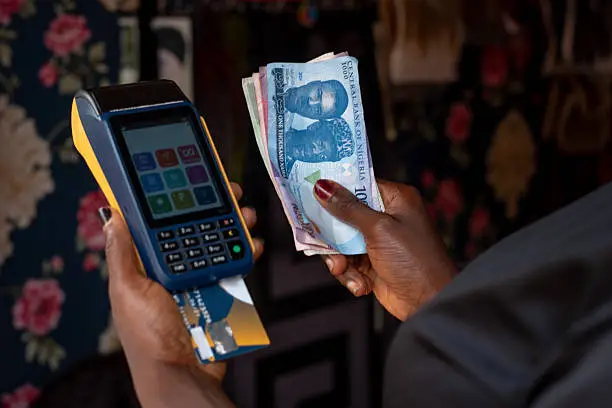
How to Recover Money Lost Through Bank Fraud in Nigeria
Losing money through bank fraud can be devastating, particularly when a substantial amount is involved. You may discover that money has been transferred from your account without your authorisation, sent to an unknown account, withdrawn through an ATM, or used for an online transaction you did not make. The immediate question is usually: Can the money be recovered? In many cases, there are steps you can take to pursue recovery. However, recovery is not automatic, and the appropriate approach depends on how the fraud occurred, how quickly it was reported, whether the recipient can be identified and the evidence available. The most important rule is simple: Act immediately. The Central Bank of Nigeria advises customers who suspect fraud or a compromise to contact their financial institution immediately and report the matter to the appropriate authorities. What Is Bank Fraud? Bank fraud generally involves the use of deception, unauthorised access or other fraudulent means to obtain money or financial benefits through a bank or other financial institution. Examples include: Unauthorised transfers from a bank account. Fraudulent ATM withdrawals. Unauthorised card transactions. Mobile banking fraud. Internet banking fraud. Phishing scams. Social engineering scams. SIM-related compromise. Fraudulent direct debits. Fraudulent use of banking credentials. Deception that causes a customer to transfer money to a fraudster. The legal and recovery options differ depending on the particular circumstances. Can Money Lost Through Bank Fraud Be Recovered? Yes, money lost through bank fraud can be recovered in appropriate circumstances. Recovery can occur through several routes, depending on the facts. These include: Immediate intervention by the bank. Internal bank complaints and investigation. Regulatory intervention through the CBN. Criminal investigation by appropriate law-enforcement agencies. Recovery from the recipient of the funds. Civil proceedings. Appropriate court orders to preserve or recover funds. However, there is no guarantee that every fraudulent transaction will be reversed. The speed with which the victim acts can be particularly important. What Should You Do Immediately After Discovering the Fraud? 1. Contact Your Bank Immediately Do not wait until the next business day if you discover the fraud outside normal banking hours. Use the bank’s official emergency or fraud-reporting channels and inform the bank that the transaction is disputed. Ask the bank to: Restrict further transactions where necessary. Secure the account. Investigate the transaction. Attempt to recall or recover the funds where possible. Place appropriate restrictions on the recipient account where the applicable process permits. Give you a complaint or tracking reference. The CBN specifically advises customers who suspect fraud to contact their financial institution immediately. 2. Change Your Banking Credentials If your account or banking credentials have been compromised, change your relevant passwords and security credentials immediately. You should also secure the device used for mobile or internet banking. Do not continue using compromised credentials simply because the fraudulent transaction has already occurred. 3. Preserve the Evidence Do not delete transaction alerts, SMS messages, emails or screenshots. Preserve: Bank statements. Transaction alerts. Transaction reference numbers. Screenshots. Emails. SMS messages. WhatsApp or other communications with the fraudster. Recipient account details. The bank’s correspondence. Your complaint reference. Any police or EFCC report. Evidence of the amount lost. This evidence can become important if the matter proceeds to regulatory investigation or litigation. Can the Bank Reverse the Transaction? It can, depending on the circumstances and the stage at which the transaction is reported. The bank can investigate the transaction and take appropriate steps within the banking system where recovery or reversal is possible. This is why immediate reporting is important. However, you should not assume that contacting the bank automatically guarantees a refund. The bank will investigate matters such as how the transaction was initiated, whether it was authenticated, whether the customer’s credentials were compromised and whether the transaction can be traced. What If the Money Has Already Been Transferred to Another Account? This does not necessarily mean that recovery is impossible. The recipient account details can provide an important starting point for tracing the funds. Depending on the circumstances, the relevant financial institutions and authorities can investigate the transaction trail. If the funds remain identifiable or traceable, appropriate recovery measures can be considered. Where the recipient has transferred the money to another account, the investigation may become more complicated, but that does not necessarily end the possibility of recovery. Can the Recipient’s Bank Freeze the Money? The recipient’s bank can take appropriate action within its regulatory and operational framework when notified of a suspected fraudulent transaction. However, a victim should not assume that merely reporting the matter guarantees that the recipient’s account will be frozen. The bank may need appropriate documentation, internal verification, instructions from competent authorities or other lawful grounds before taking particular action. This is one reason why prompt reporting is important. What If the Fraudster Has Already Withdrawn the Money? Recovery can become more difficult once the money has been withdrawn. However, withdrawal does not necessarily make recovery impossible. The investigation can consider: Who withdrew the money. Where the withdrawal occurred. The account into which the money was initially transferred. Whether CCTV or other records exist. Whether the funds were transferred elsewhere. Whether the recipient can be identified. Whether the recipient has identifiable assets. The available evidence will determine the appropriate recovery strategy. Should You Report Bank Fraud to the Police? Yes, where the circumstances disclose suspected criminal conduct, you should make an appropriate report to law enforcement. The CBN advises victims of fraud to report suspected fraud and scams to relevant authorities, including the Nigerian Police Force and the EFCC. A report can assist with investigation and identification of the persons involved. However, a criminal complaint and civil recovery are not the same thing. Reporting the fraud does not automatically put the money back into your account. Where recovery is required, additional legal steps may be necessary. Can the EFCC Help Recover Money Lost Through Fraud? The EFCC is one of the agencies that can investigate economic and financial crimes within its statutory mandate. Where the circumstances fall within the agency’s
Can You Sue a Bank for an Unauthorised Transaction in Nigeria?
Imagine checking your bank account and discovering that ₦2 million has been transferred without your permission. You immediately report the transaction to your bank and request a reversal. The bank investigates and tells you that the transaction was successfully authenticated. It then refuses to refund the money. At this point, two important questions arise: Can you sue a bank for an unauthorised transaction in Nigeria? And if the bank refuses to refund the money, what can you do to recover it? The answer is yes, a bank can be sued where the facts establish a valid legal claim against it. However, the mere fact that a customer did not personally initiate a transaction does not automatically make the bank liable. The circumstances surrounding the transaction must be examined carefully. This includes how the transaction was initiated, what authentication was used, whether the customer’s credentials were compromised, whether the customer disclosed any security information, what the bank’s systems detected, how quickly the transaction was reported and what the bank did after receiving the complaint. This article explains when a bank may be liable for an unauthorised transaction, whether a bank is required to refund the money, what evidence you need, what to do if the bank refuses to reverse the transaction and when legal proceedings may be appropriate. What Is an Unauthorised Bank Transaction? An unauthorised bank transaction is a transaction carried out on a customer’s account without the customer’s authority. It can include: Unauthorised bank transfers. Unauthorised ATM withdrawals. Unauthorised POS transactions. Unauthorised card payments. Unauthorised online payments. Unauthorised debits. Transactions resulting from compromised banking credentials. The circumstances differ from case to case. For example, a person may gain access to a customer’s banking application, obtain the customer’s card details through fraud, compromise the customer’s account or use other means to initiate a transaction. The legal consequences depend substantially on how the transaction occurred. Can You Sue a Bank for an Unauthorised Transaction? Yes. A customer can sue a bank where the facts establish a legally recognisable claim. However, the customer must establish the basis of the claim. A court will not simply order a bank to refund money because the customer says, “I did not authorise the transaction.” The evidence surrounding the transaction must be examined. Relevant questions include: How was the transaction initiated? What authentication was used? Was the customer’s device compromised? Was an OTP used? Was the customer’s PIN used? Did the customer disclose any security credentials? Did the bank detect unusual activity? Did the bank comply with applicable security requirements? When did the customer notify the bank? What action did the bank take after receiving the complaint? Can the recipient of the funds be identified? These questions can determine whether a claim against the bank is likely to succeed. Will a Bank Refund an Unauthorised Transaction? Not automatically. Whether a bank is required to refund an unauthorised transaction depends on the circumstances in which the transaction occurred and whether the bank breached a legal, contractual or applicable regulatory obligation. A bank is entitled to investigate a disputed transaction before deciding whether to reverse or refund it. However, the bank should not treat the fact that a transaction was successfully authenticated as automatically ending the customer’s claim. The relevant questions include: How was the transaction initiated? Was the customer’s PIN, OTP, password or other authentication credential used? Did the customer disclose any security credentials? Was the customer’s device or account compromised? Did the transaction display unusual or suspicious characteristics? Did the bank’s systems detect or respond appropriately to the transaction? How quickly did the customer report the transaction? What steps did the bank take after receiving the complaint? Therefore, the answer to “will a bank refund an unauthorised transaction?” depends on the evidence. Where the evidence establishes that the bank was responsible for the loss or breached a duty owed to the customer, the customer can pursue appropriate reliefs, including recovery of the money and, where justified, damages or other consequential relief. On the other hand, where the evidence establishes that the customer’s own conduct caused or materially contributed to the loss, the bank may rely on that conduct in defending the claim. The correct approach is therefore to establish how the transaction occurred and who bears legal responsibility, rather than assuming that either the bank or the customer is automatically liable. What If the Bank Says the Transaction Was Authenticated? This is one of the most common responses from banks. The bank may say that: Your PIN was correctly entered. Your OTP was successfully used. Your mobile banking application was used. The transaction came from your registered device. The transaction passed the bank’s authentication system. That evidence is relevant, but it does not necessarily end the dispute. Authentication establishes that the bank’s system received the required credentials. It does not, by itself, answer every question concerning who actually initiated the transaction or whether the transaction resulted from fraud, compromise or another circumstance for which the bank may bear responsibility. The particular facts must therefore be examined. What If You Gave the Fraudster Your OTP? This can significantly affect the case. Suppose a fraudster impersonated your bank and persuaded you to disclose an OTP. The fraudster then used the OTP to transfer money from your account. The bank may argue that you authorised the transaction or were negligent in disclosing the OTP. Whether that argument succeeds depends on the circumstances. The customer’s conduct is important, but so are the bank’s security, fraud-detection and customer-protection obligations. A customer should therefore provide the complete facts when reporting the incident rather than withholding information that may later become relevant. What If You Did Not Give Anyone Your PIN or OTP? That can strengthen the customer’s position, particularly where the evidence indicates that the transaction occurred despite the customer’s security credentials not being disclosed. The bank may still investigate how the transaction was completed. However, where there is evidence of a compromised account, security failure, unusual transaction activity or other